ACTIVE STORM
Monitoring live · Last activity 15m ago
Big Wells, TX Hail Storm – April 2026
April 30, 2026 hail storm near Big Wells, TX. Radar-confirmed hail track and contractor lead lists available.
Max Hail
3.25"2.91" est.
confirmed
Zones
7
NWS alerts
Radar
2,922
dual-pol hits
Spotter
–
field reports
Map requires hardware acceleration
NWS WARNING AREA · Big Wells Metro · May 1, 2026 · Click a zone to highlight
Intelligence Platform
StormSnipe Pro
$49/ mo
Cancel anytime · No contracts
›All 50 states
›No zone limits
›No per-event fees
Subscribe to Pro
Billed monthly · Cancel anytime
What's included
Instant delivery
Every storm published within hours of NOAA confirmation.
Interactive Strike Map
Full radar-confirmed hail track on an interactive map.
Address CSV export
Every affected residential address, export-ready.
Smart alerts
Notified when a storm hits your area. Set zones once.
Nationwide coverage
All 50 states. No zone restrictions. No geographic caps.
Live pipeline
NOAA NEXRAD processed and delivered 24/7.
NWS WARNING AREAS · 7
This storm generated 7 NWS alert zones. Pro access covers the complete storm track and all addresses across every zone.
ZONE 1NWS TXC127
Big Wells, TX
Dual-Pol Radar
2,391 addresses in warning area
Alert issued Fri, May 1 · 4:33 AM UTC
3.25"
confirmed
2.91"
est. (NWS)
ZONE 2NWS TXC283
Cotulla, TX
Dual-Pol Radar
40 addresses in warning area
Alert issued Fri, May 1 · 5:02 AM UTC
1.45"
confirmed
2"
est. (NWS)
ZONE 3NWS TXC323
Eagle Pass, TX
Dual-Pol Radar
132 addresses in warning area
Alert issued Fri, May 1 · 5:05 AM UTC
2.62"
confirmed
1.28"
est. (NWS)
ZONE 4NWS TXC163
Batesville, TX
Dual-Pol Radar
380 addresses in warning area
Alert issued Fri, May 1 · 5:42 AM UTC
2.45"
confirmed
1.81"
est. (NWS)
ZONE 5NWS TXC283
Fowlerton, TX
Dual-Pol Radar
22 addresses in warning area
Alert issued Fri, May 1 · 5:47 AM UTC
1.46"
confirmed
1"
est. (NWS)
ZONE 6NWS TXC013
Pearsall, TX
Dual-Pol Radar
1,360 addresses in warning area
Alert issued Fri, May 1 · 6:28 AM UTC
2.51"
confirmed
1.63"
est. (NWS)
ZONE 7NWS TXC013
Campbellton, TX
Dual-Pol Radar
Alert issued Fri, May 1 · 7:31 AM UTC
1.53"
confirmed
1"
est. (NWS)
Big Wells, TX — April 30–May 1, 2026: An active severe storm is tracking through Big Wells and producing hail up to 3.25 inches in diameter. Multiple radar-detected alerts and an NWS warning are ongoing as conditions continue to develop.
What Happened
The storm initiated late on April 30 and continued into the early hours of May 1, tracking across central and southern portions of Big Wells. Sequence of NWS alerts and detections is as follows:
- April 30 · 11:33 PM CDT — dual-polarization radar detected 2.91-inch hail over the western approach to Big Wells.
- May 1 · 12:02 AM CDT — NWS issued a severe thunderstorm warning noting 2.00-inch hail in the broader warning area.
- May 1 · 12:05 AM CDT — dual-polarization radar detected 1.28-inch hail southeast of town.
- May 1 · 12:42 AM CDT — dual-polarization radar detected 1.81-inch hail moving northeast through the central zone.
- May 1 · 12:47 AM CDT — dual-polarization radar detected 1.00-inch hail just east of the municipal boundary.
- May 1 · 1:28 AM CDT — dual-polarization radar detected 1.63-inch hail on the storm flank as it continued northeast.
Radar-derived detections account for the majority of the alerts. The largest hail measurement for this event is 3.25 inches, and the storm remains active and capable of producing additional large hail as it tracks through the area.
Damage Assessment
Hail measured between 1.0 and 1.8 inches typically produces cosmetic and functional damage to vehicle paint, rooftop shingles, and vinyl siding in the affected sectors of Big Wells. Hail above 2.0 inches increases the risk of broken vehicle glass, dented metal panels, and localized structural damage to older roofing.
Hail near the peak size of 3.25 inches can cause severe damage to vehicles, puncture asphalt shingles, and compromise skylights or solar panels where exposed in the storm path. Structures with existing roof wear or unsecured exterior equipment in central and southern Big Wells are at higher risk. Field assessments should prioritize areas where radar-detected hail tracks intersect residential clusters and commercial properties.
What Contractors Should Know
Safety is the immediate priority. Worksites in the active warning area should suspend rooftop and exterior repairs until the storm moves out and NWS warnings have expired. Expect scattered debris and broken glass on streets and driveways; secure tarps and temporary covers only after conditions are verified safe by local authorities.
For initial inspections, document hail diameters observed on-site and photograph damage to vehicles, roofs, and panels with scale references. Focus first on roofing systems, skylights, solar installations, and vehicle fleets reported within the radar-detected swath. Coordinate with property owners for prioritized temporary repairs and reserve full replacement estimates until post-storm field verification is complete.
Developing Story
Coverage updates as radar and spotter data comes in. Last updated 45m ago.
Storm Details
- Start Date
- Thursday, April 30, 2026
- Last Activity
- Friday, May 1, 2026
- Location
- Big Wells, TX
- Warning Areas
- 7
- Dual-Pol Radar
- 2,922
- Spotter Reports
- --
Preview Strike Map
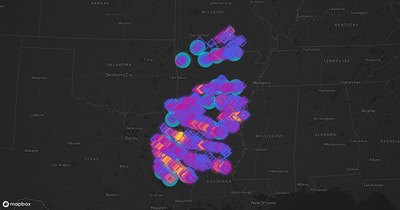
See exactly what you get.
Explore the full Springdale, AR Strike Map free – hail track, address overlay, and CSV download. No account required.
Try the Free Demo →